LATEST BLOGS
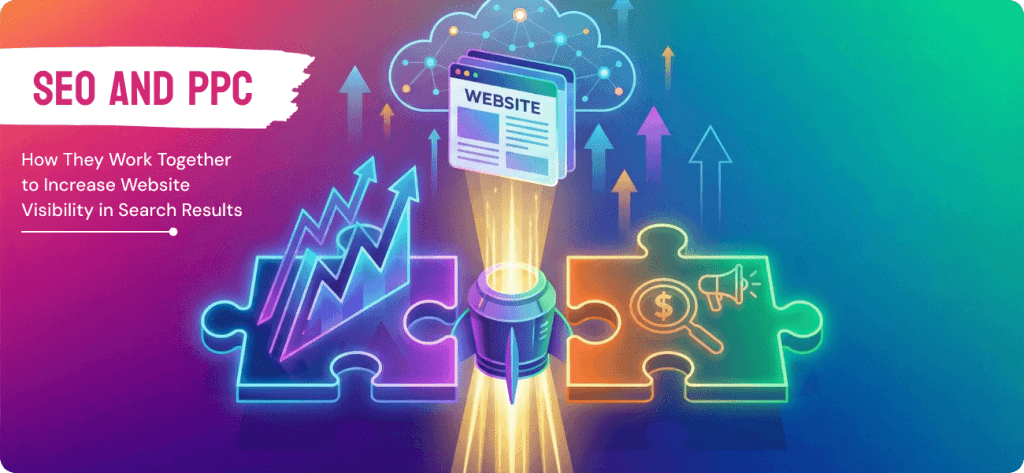
SEO and PPC – How They Work Together to Increase Website Visibility in Search Results


If you are new to digital marketing, you have likely encountered terms such as PPC, backlinks, keyword rankings, white-hat tactics, and paid search strategies. While these concepts may seem technical at first, they all support one core objective — improving website visibility and driving qualified traffic.
Traffic is the foundation of online growth. Whether it comes from organic SEO marketing efforts or paid clicks through pay per click advertising, attracting the right audience is essential for conversions and revenue. This is where search engine marketing becomes critical.
Rather than choosing between SEO and PPC, modern businesses benefit most by combining both strategies to maximize exposure, performance, and return on investment.
What Is Search Engine Marketing (SEM)?
Search engine marketing is a comprehensive digital strategy focused on increasing website visibility across search engines such as Google, Bing, and Yahoo.
SEM consists of two primary components:
- SEO marketing (Search Engine Optimization) — earning organic visibility through content, technical optimization, and authority building
- PPC (Pay Per Click Advertising) — purchasing sponsored placements for instant exposure
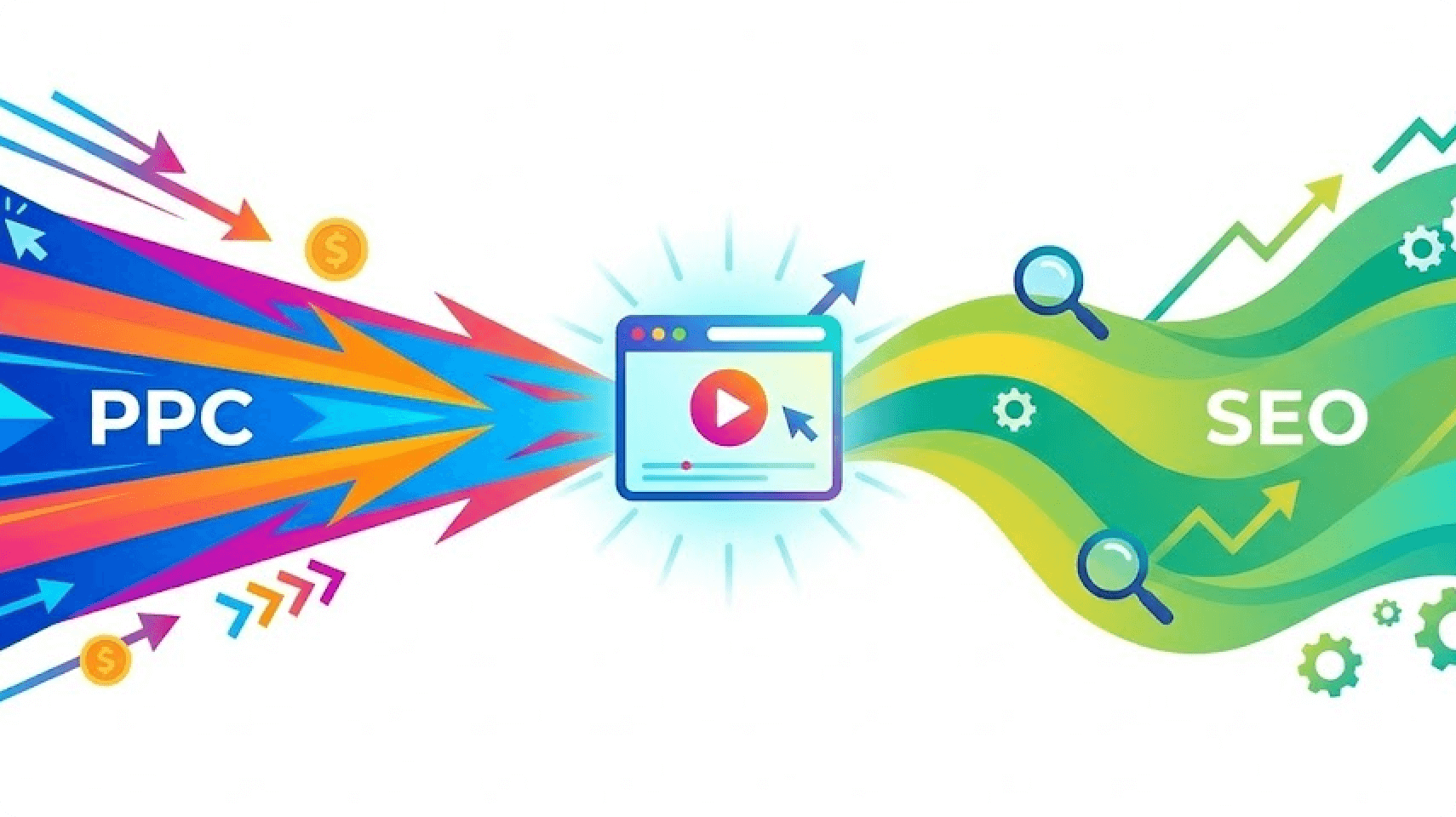
Together, SEO and PPC help businesses dominate search engine results pages (SERPs) using keyword targeting, bidding strategies, performance tracking, and audience insights.
Understanding SEO Marketing
Key SEO Ranking Factors Include:
- Page speed and site performance
- >Keyword relevance and search intent alignment
- Backlinks and domain authority
- Mobile optimization and core web vitals
- Content quality and structure
- Schema markup and image optimization
Core SEO Practices That Improve Website Visibility
1. Search Intent Optimization
Understanding user intent is critical for SEO marketing success. There are three main intent types:
Informational Searches
Users seek answers or educational content such as “What is PPC?” or “How does search engine marketing work?”
Navigational Searches
Users look for specific brands or platforms like “Mobikasa website” or “Google Ads login.”
Transactional Searches
Users are ready to convert, purchase, or request services. These keywords deliver the highest commercial value.
Optimizing content for the correct intent improves rankings and conversion rates.
2. Keyword Research and Content Optimization
Keyword research drives both SEO marketing and PPC performance. It determines which queries your business targets and how traffic flows to landing pages.
Search behavior evolves constantly. Regular optimization ensures your website visibility remains competitive while adapting to algorithm updates and market demand.
3. Link Building and Authority Development
Backlinks remain one of the strongest SEO signals. High-quality inbound links from authoritative websites increase credibility and ranking potential.
However, low-quality or spam backlinks can negatively impact SEO performance. Routine backlink audits help maintain a clean and trustworthy link profile.
How SEO Marketing Supports Business Growth
SEO requires patience, but the long-term payoff is substantial. Once rankings stabilize, organic traffic continues flowing without additional advertising costs.
Unlike pay per click advertising, SEO does not stop delivering traffic when budgets pause. It builds long-term digital equity and consistent brand authority.
Understanding PPC and Pay Per Click Advertising
PPC advertising allows businesses to bid on keywords and display sponsored listings directly on search engines and partner networks.
With pay per click advertising, advertisers only pay when users click their ads. This makes PPC highly measurable and performance-driven.
One of the biggest advantages of PPC is speed. Campaigns can generate immediate website visibility and qualified leads within hours.
Common PPC Advertising Formats
Search Ads
Sponsored listings that appear at the top of search results for high-intent keywords.
Remarketing Ads
Target previous website visitors to increase return visits and conversion rates.
Display Ads
Visual banner ads across partner websites to build awareness and retarget prospects.
Social Media Ads
Paid placements on platforms such as Facebook, LinkedIn, and Instagram that support audience segmentation and demographic targeting.
Each PPC format supports different stages of the customer journey.
Is PPC Right for Your Business?
Benefits of PPC Advertising
- Immediate Results – Instant traffic and visibility
- Budget Control – Adjustable bids and daily spend limits
- Scalability – Easy campaign expansion based on ROI
- Targeting Precision – Keyword, audience, and location targeting
Limitations of PPC
- Higher Competition Costs – Popular keywords drive higher CPC
- Campaign Complexity – Requires continuous optimization
- Click Fraud Risks – Requires monitoring and platform safeguards
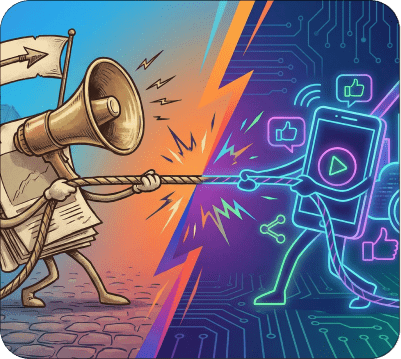
SEO vs PPC: Which Strategy Delivers Better Results?
- SEO builds long-term website visibility and brand authority
- PPC delivers immediate traffic and fast lead generation