


LATEST BLOGS




How to Curb the Problem of Plagiarism in SEO
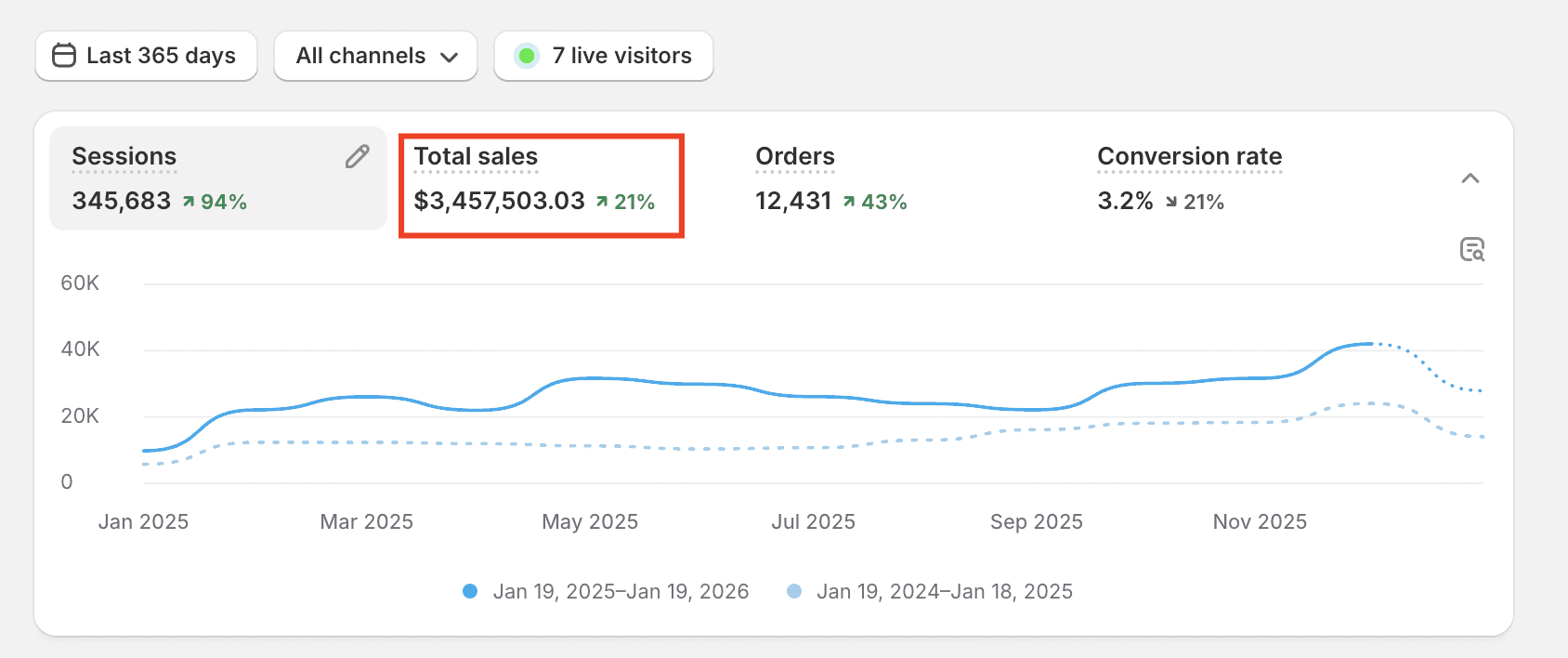
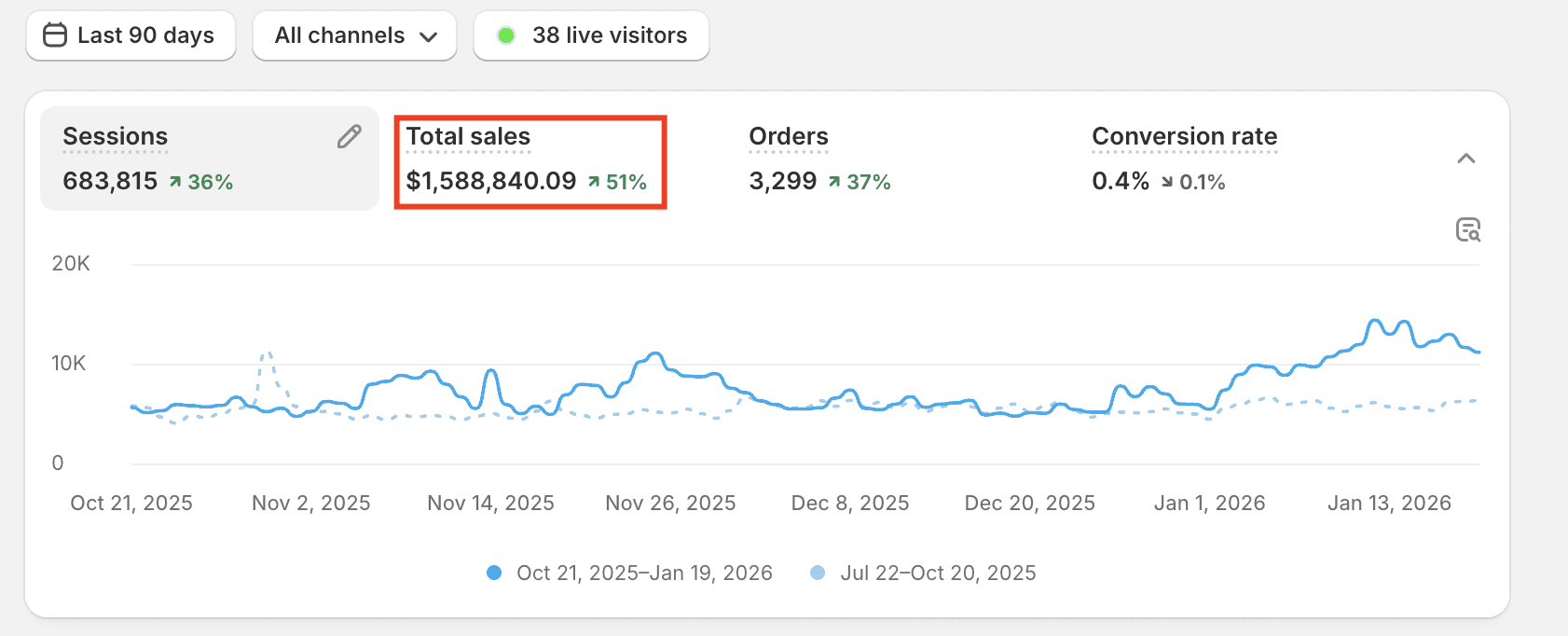
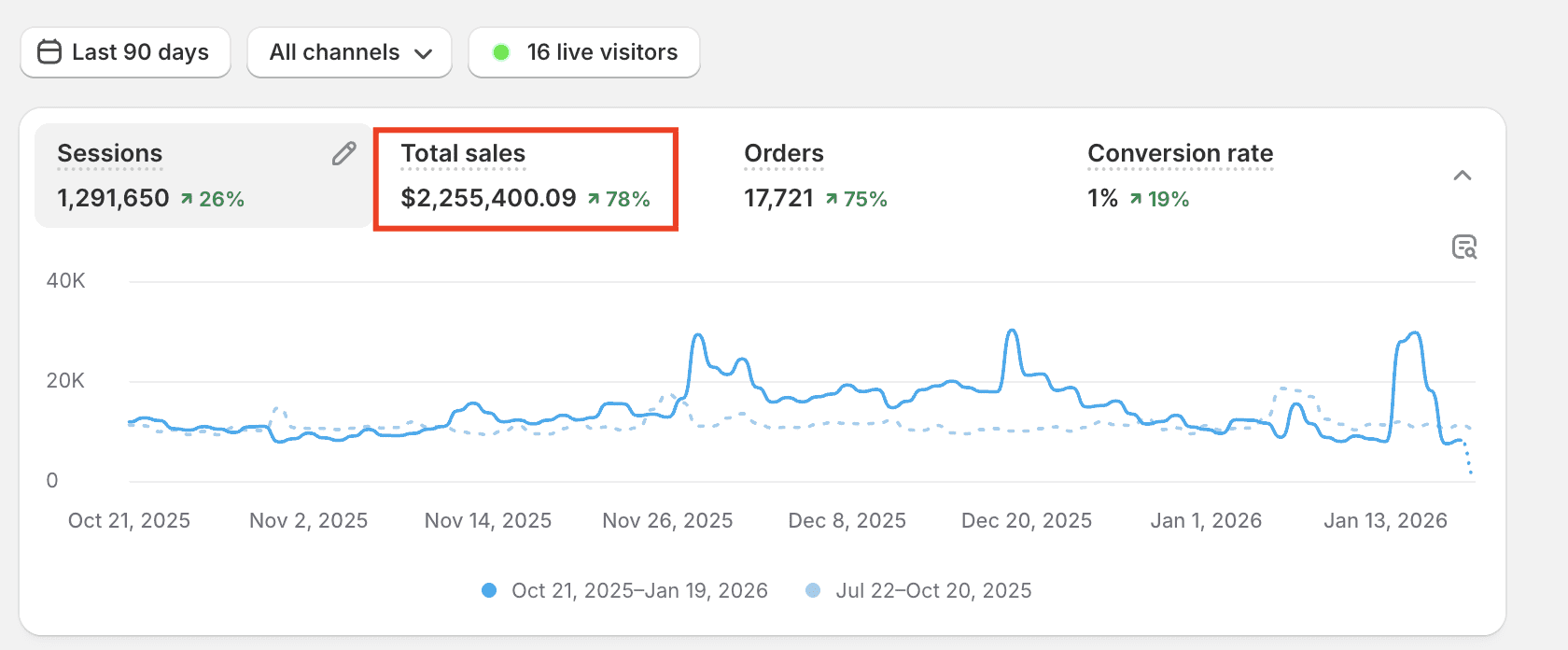
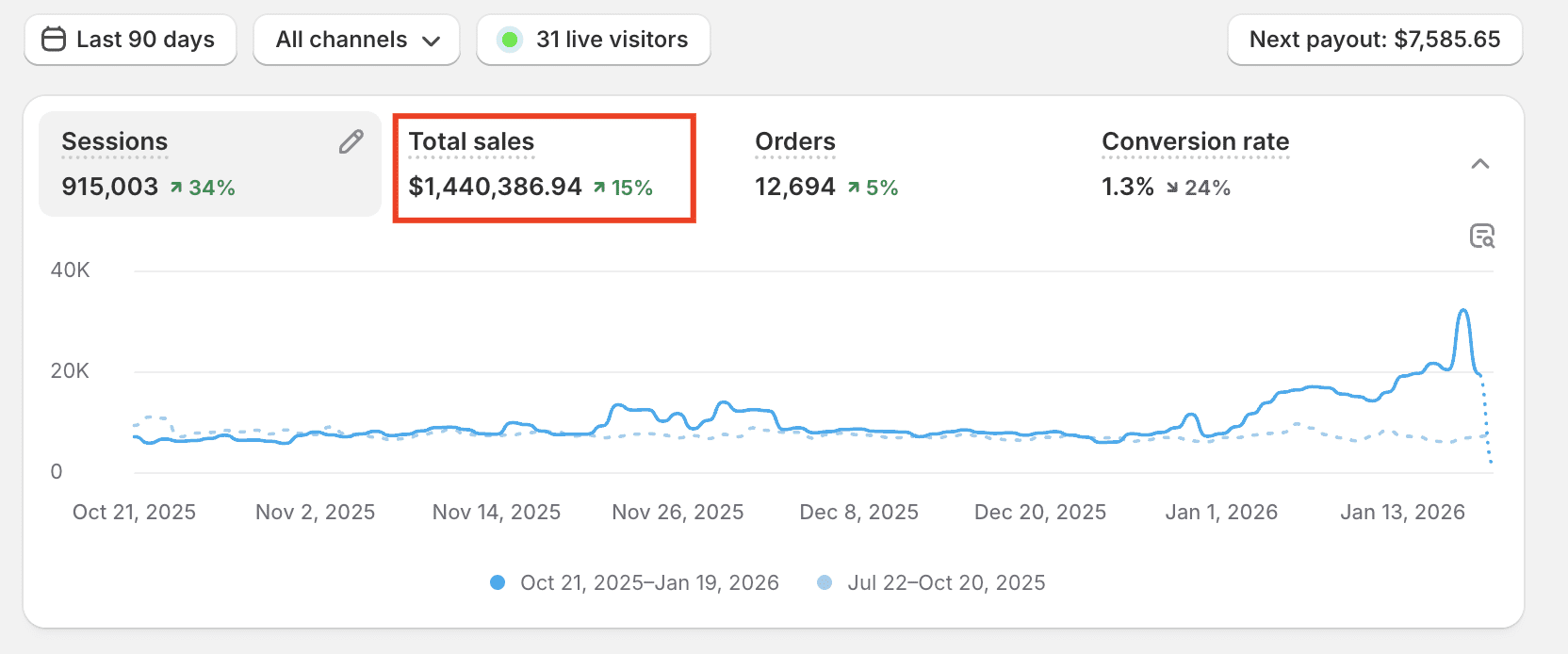
Did you know that SEO plagiarism can severely impact the long-term performance of your website and blog? In today’s AI-driven search environment, content originality has become a critical ranking and trust factor. Search engines, answer engines, and generative platforms now detect duplicate, spun, and low-value content with advanced semantic analysis — and they actively suppress such pages from visibility.
Google and other AI-powered discovery systems strongly discourage copy-paste publishing. When content lacks originality, relevance, or user value, it loses ranking eligibility, organic reach, and credibility across both traditional SERPs and AI-generated results.
Leading digital marketing firms and growth agencies treat content integrity as a core SEO principle. Since content is the foundation of SEO, AEO, and GEO strategies, professional SEO teams ensure every asset is original, authoritative, and purpose-built to serve real user intent.

Is Self-Plagiarism Still a Problem in SEO?
Many creators ask: If I wrote the content myself, how can reusing it be considered plagiarism?
This is where self plagiarism becomes a serious concern.
Self plagiarism occurs when previously published content is reused across multiple platforms without proper restructuring, contextual differentiation, or value enhancement. While it may appear harmless, it often triggers SEO duplication issues, content ownership conflicts, and indexing suppression.
In many cases, publishing rights belong to clients or platforms. Republishing that same content elsewhere can create copyright risks and contractual violations.
From an SEO perspective, self plagiarism confuses search algorithms and AI ranking systems. When duplicate versions exist, search engines struggle to determine the authoritative source, leading to diluted rankings, traffic loss, and suppressed visibility.

How Common Is Plagiarism in Modern SEO?
Despite advancements in content technology, plagiarism remains widespread within the SEO ecosystem.
SEO teams are frequently under pressure to publish high volumes of content at scale. When deadlines tighten, some marketers resort to light paraphrasing or recycled templates — practices that often result in low content originality scores.
AI writing tools have further complicated the situation. While AI improves efficiency, over-reliance without editorial refinement leads to semantic repetition, predictable phrasing patterns, and structural duplication — all of which modern search engines can detect.
For agencies managing multiple content pipelines, maintaining content integrity is essential. Plagiarized content does not only affect rankings; it damages brand trust, publisher credibility, and long-term organic growth.
That is why professional SEO teams verify originality before publishing and continuously monitor for unauthorized reuse of their own material.
Why You Must Avoid SEO Plagiarism at All Costs
Avoid Search Engine and AI Visibility Suppression
While Google may not issue manual “plagiarism penalties,” its ranking systems actively filter duplicate and near-duplicate content. When SEO plagiarism occurs:- Rankings decline
- Indexed pages lose visibility
- AI answer engines ignore duplicated sources
- Crawl budget is wasted on low-value pages
- Original sources receive ranking priority
Protect Brand Authority and Trust
Brand reputation depends on authenticity. Publishing copied or recycled material signals weak editorial standards and poor quality control. With massive volumes of content published daily, businesses must differentiate through original research, expertise, and credibility. SEO plagiarism undermines all three. Once trust is lost — both from users and search platforms — rebuilding authority becomes significantly harder.Improve Ranking Eligibility and Crawl Efficiency
Duplicate content forces search engines to consolidate indexing toward a single preferred version. This results in:- Reduced page exposure
- Lower organic footprint
- Keyword cannibalization
- Weakened site performance signals
Tools to Detect Plagiarism and Maintain Content Integrity
- Copyscape — Industry-standard duplicate content detection
- PrePost SEO Checker — Effective for paraphrased content scanning
- EditPad Plagiarism Checker— Fast tool for bulk checks
- Grammarly Plagiarism Scanner — Integrated writing and originality validation
- Originality.ai — Advanced AI and duplication detection platform
Best Practices to Prevent Plagiarism in SEO
To build a future-proof SEO strategy, implement these best practices:
Prioritize Content Originality and Search Intent
Avoid rewriting competitor articles. Instead, create unique insights, proprietary analysis, and intent-focused content that solves user problems.
Build Topic Authority Instead of Repetitive Pages
Modern SEO prioritizes entity-based optimization. Develop comprehensive topic clusters rather than publishing multiple similar articles that compete internally.
Use AI Responsibly
AI should support ideation and drafting — not replace editorial judgment. Always human-edit, verify facts, and add brand voice before publishing.
Perform Routine Content Audits
Regular audits help identify duplicated pages, outdated assets, thin content, and internal cannibalization risks.
Enhance Differentiation With Structured Content
Using structured data, original visuals, custom formatting, and schema markup improves AEO performance and helps AI systems identify authoritative sources.
FAQ's
1. What is plagiarism in SEO?
SEO plagiarism refers to using copied, duplicated, or lightly reworded content on a website without adding enough originality or value. It can hurt rankings, reduce visibility, and weaken trust with both users and search engines.
2. Does duplicate content hurt SEO?
Yes, duplicate content can hurt SEO because search engines may struggle to determine which version is the original or most valuable. This can lead to lower rankings, indexing issues, and reduced organic visibility.
3. What is self-plagiarism in SEO?
Self-plagiarism in SEO happens when previously published content is reused across multiple pages or platforms without meaningful updates, restructuring, or added value. This can create SEO duplication issues and content conflicts.
4. How can plagiarism affect website rankings?
Plagiarism can negatively affect website rankings by:
- Reducing ranking eligibility
- Confusing search engines
- Wasting crawl budget
- Weakening topical authority
- Preventing pages from appearing in AI-generated results
5. What are the best tools to check plagiarism for SEO content?
Some of the best plagiarism detection tools include:
- Copyscape
- PrePost SEO Checker
- Grammarly Plagiarism Checker
- EditPad
- Originality.ai
6. How can businesses prevent plagiarism in SEO?
Businesses can prevent plagiarism by creating original content, avoiding direct rewrites of competitor pages, auditing content regularly, using AI responsibly, and checking every article with plagiarism tools before publishing.
7. Why is original content important for SEO and AI visibility?
Original content is important because search engines and AI platforms prefer unique, helpful, and authoritative sources. It improves ranking potential, brand trust, crawl efficiency, and chances of being featured in AI-generated answers.