LATEST BLOGS




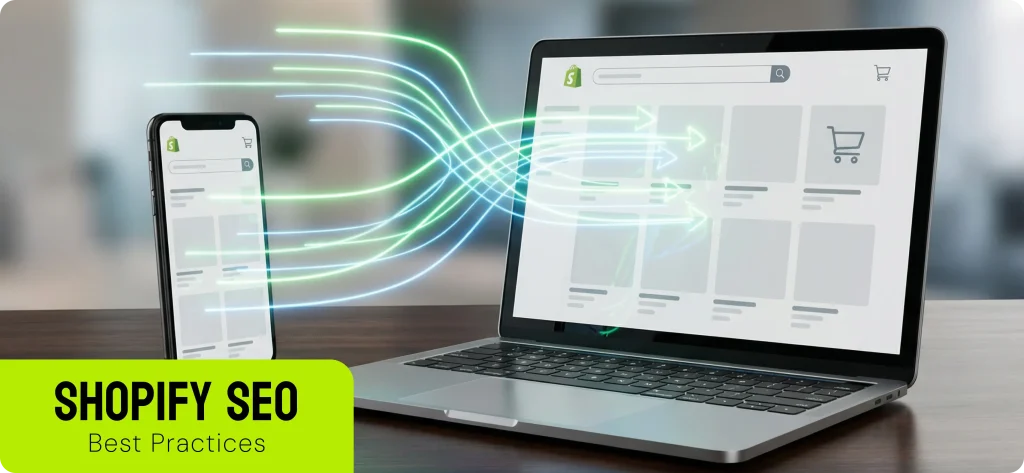
Shopify SEO Best Practices: Optimizing Your Store for Search Engines
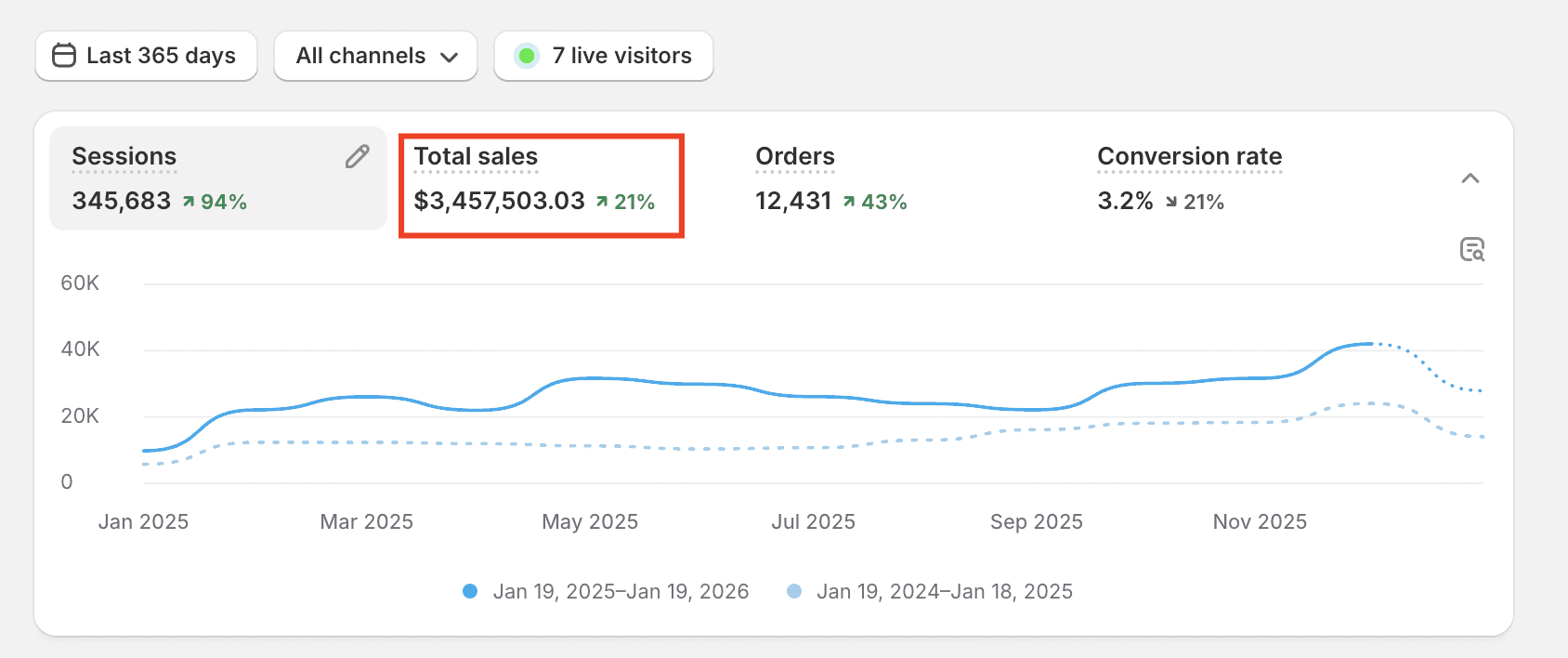
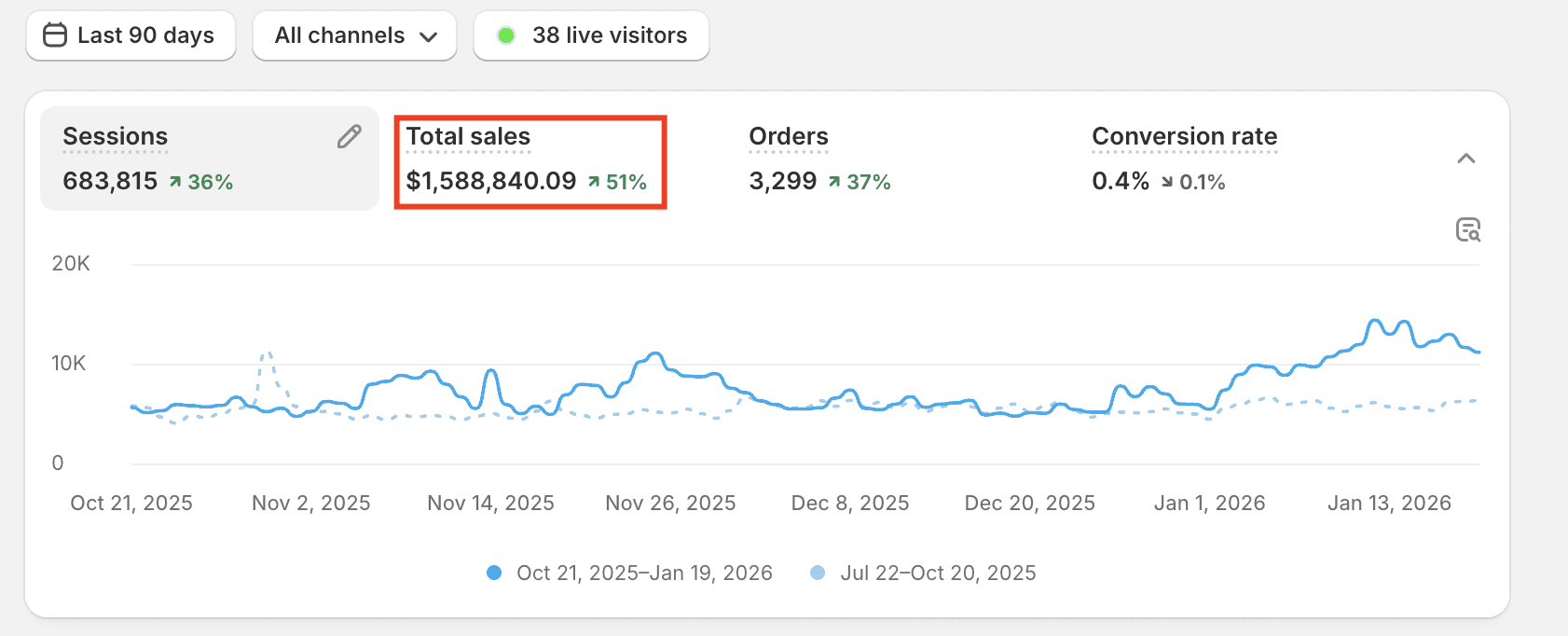
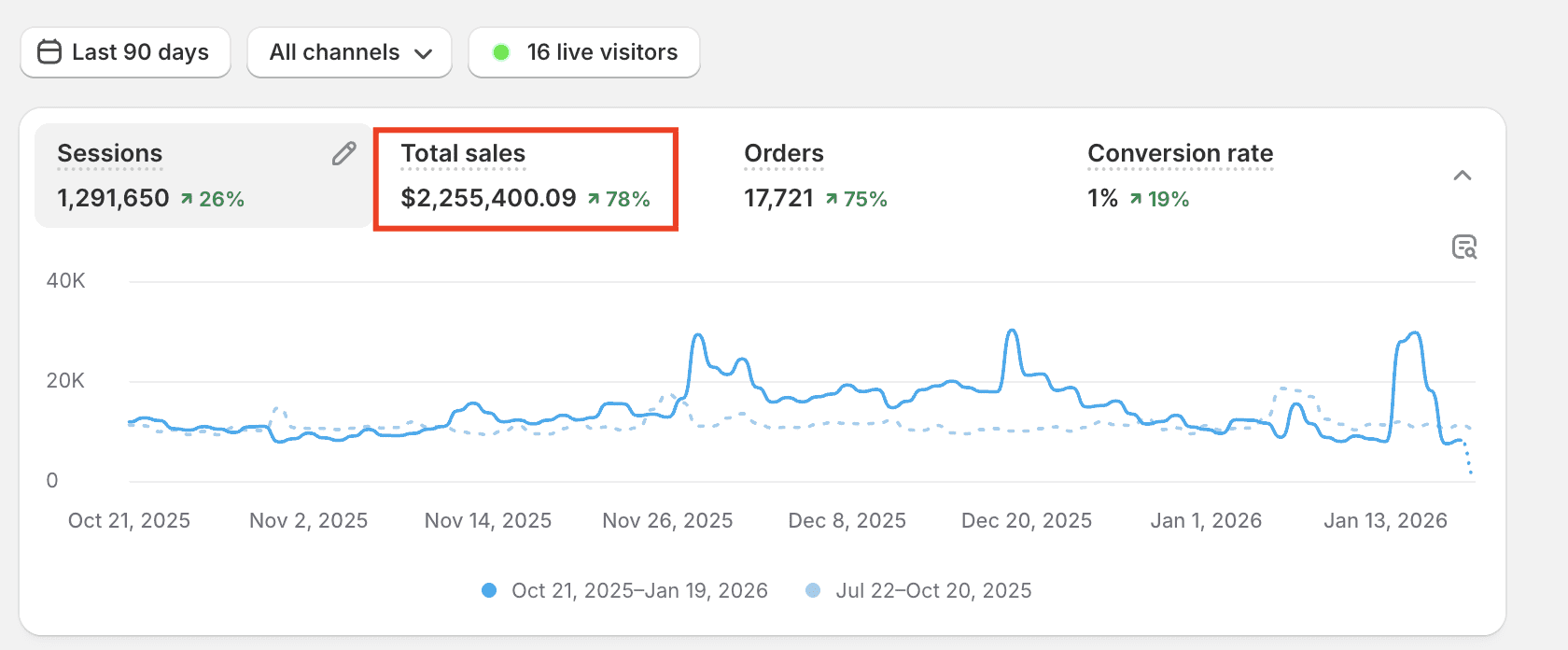
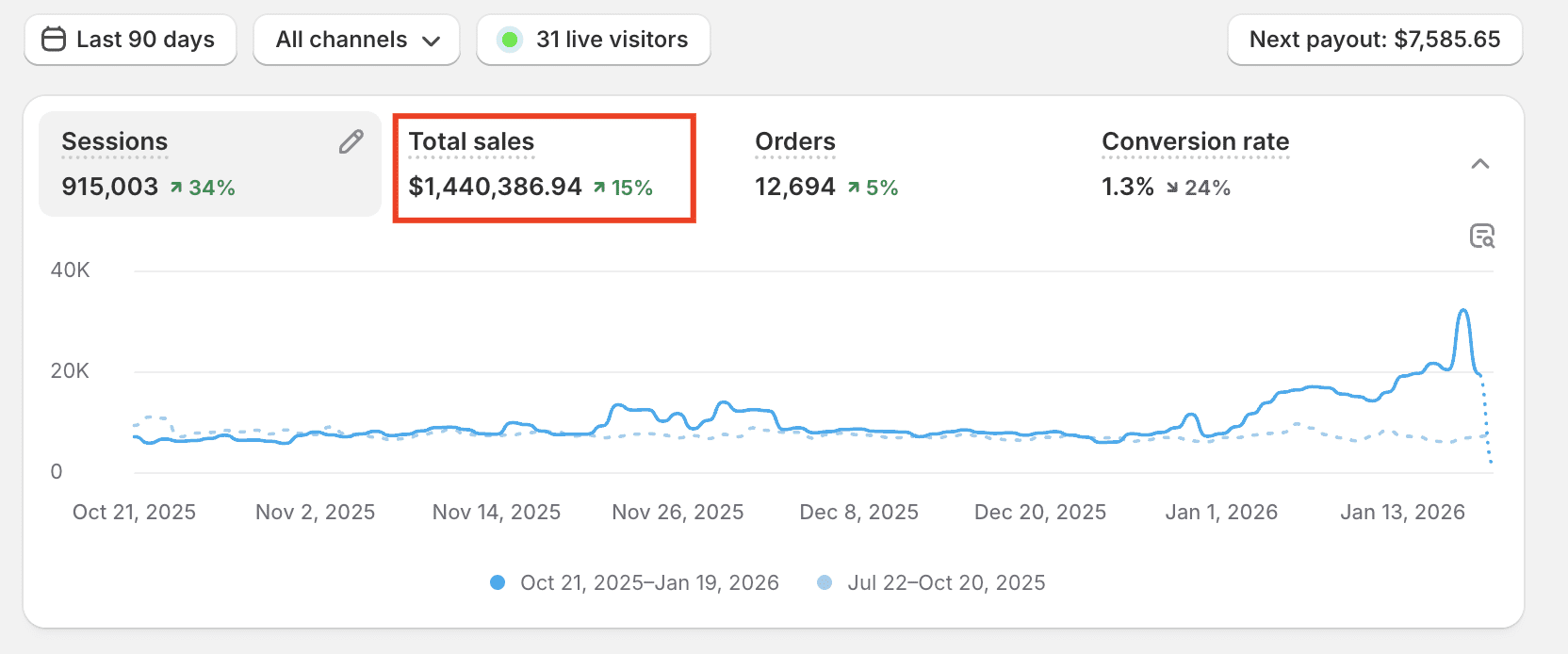
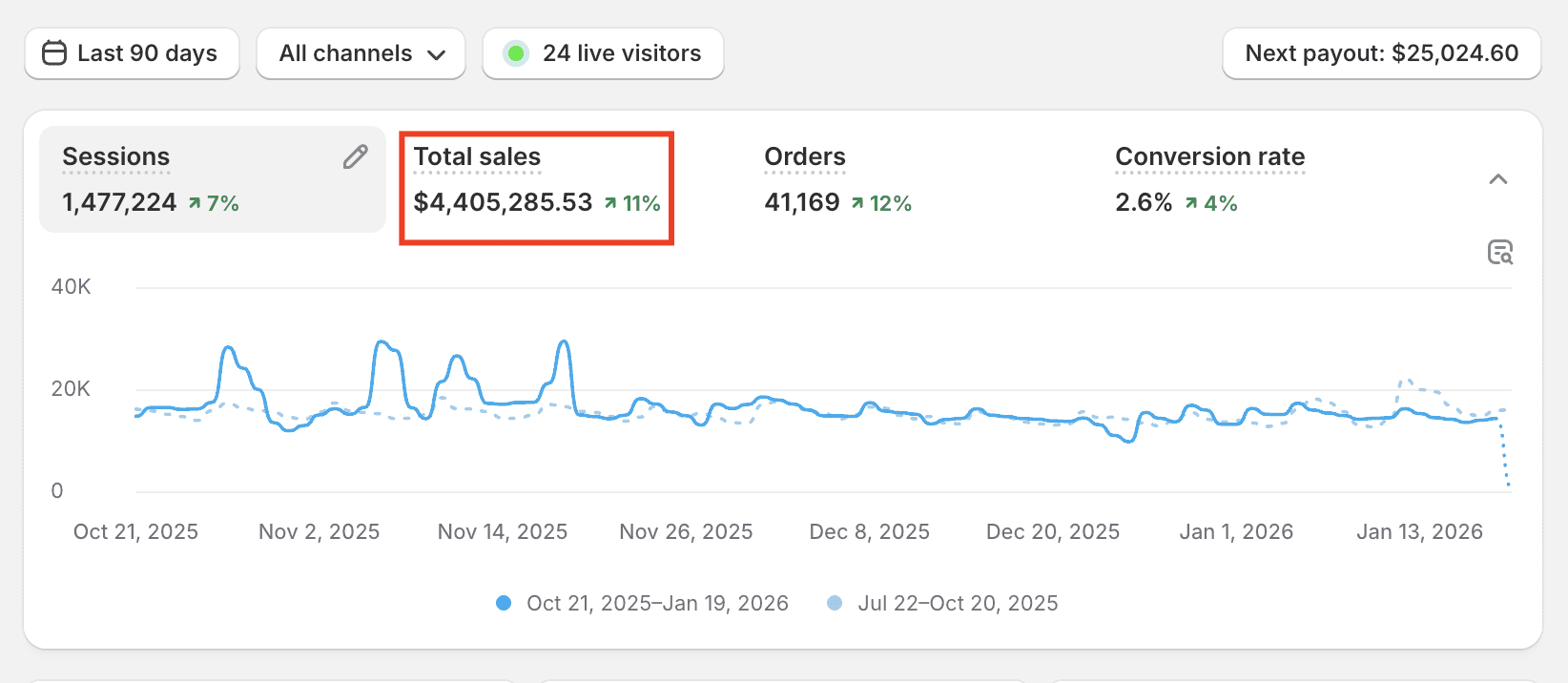
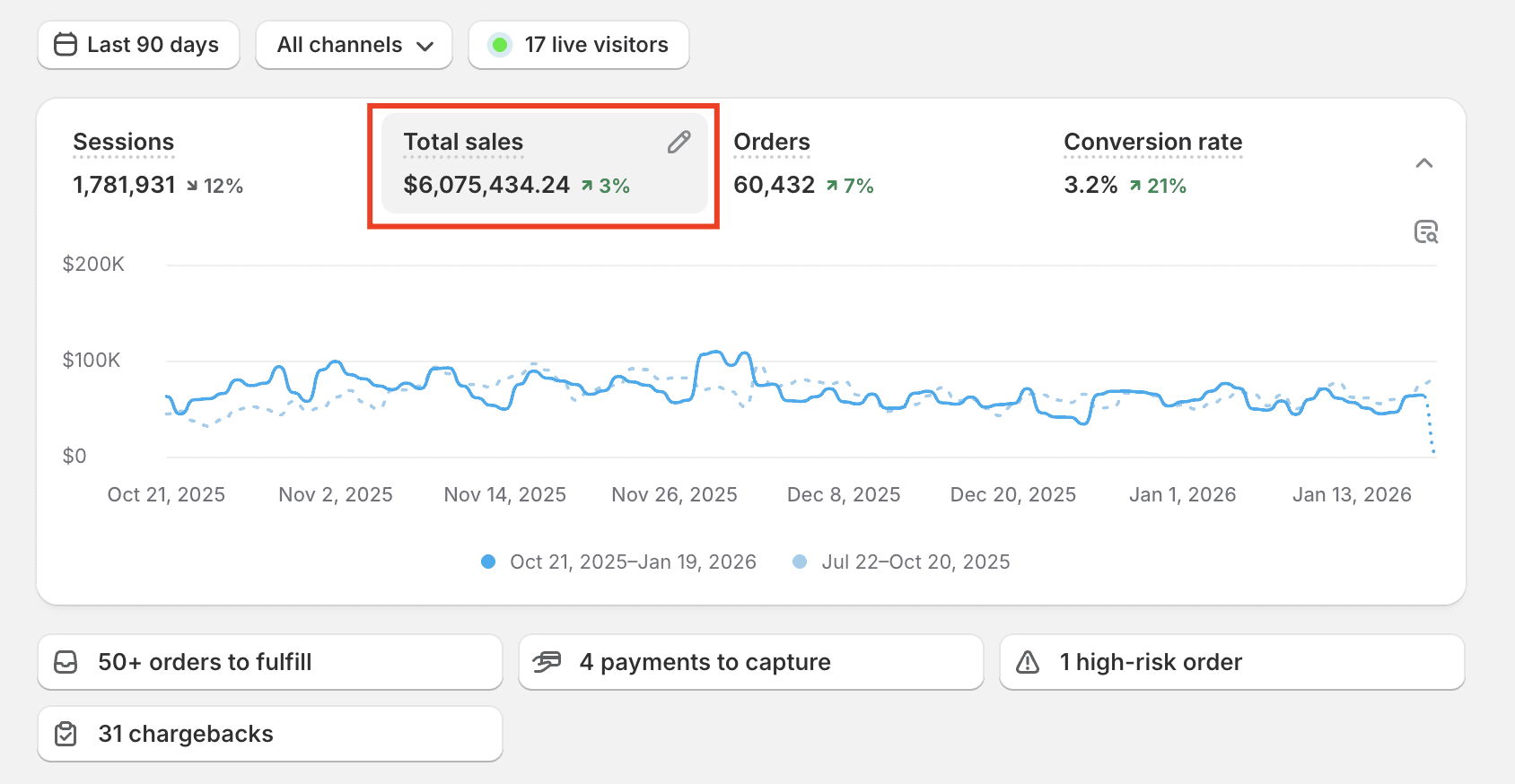
In today’s highly competitive digital marketplace, building a strong online presence is essential for eCommerce success. One of the most effective ways to achieve long-term visibility and sustainable growth is through Shopify SEO optimization. Implementing proven Shopify SEO best practices allows merchants to improve rankings, attract high-quality traffic, and convert visitors into customers.
Among eCommerce platforms, Shopify remains a top choice due to its ease of use, scalability, and built-in performance features. However, simply launching a store is not enough. To remain competitive, you must actively optimize your Shopify store using data-driven SEO strategies tailored specifically for the Shopify ecosystem.
In this comprehensive guide, we’ll explore Shopify SEO, highlight platform strengths and challenges, and share actionable techniques for effective SEO for Shopify store growth and performance.

Benefits of Using Shopify for SEO
User-Friendly Interface
Shopify offers an intuitive dashboard that allows both beginners and experienced merchants to manage products, content, and SEO settings with ease. This simplifies Shopify SEO optimization, enabling faster implementation of on-page improvements without requiring advanced technical skills.
Mobile Responsiveness
Mobile-first indexing is now the standard for search engines. Shopify themes are fully responsive by default, ensuring your store delivers a seamless browsing experience across smartphones, tablets, and desktops — a critical ranking factor for Shopify SEO best practices.
Speed and Performance
Page speed directly impacts rankings, user engagement, and conversions. Shopify’s cloud-based infrastructure and global CDN help deliver faster load times, improving Core Web Vitals scores and strengthening SEO for Shopify store performance.
SSL Security
Shopify automatically provides SSL certificates, ensuring secure data transmission. Encrypted websites improve user trust and contribute positively to Shopify SEO ranking signals.
Structured Data and Rich Snippets
Many Shopify themes include built-in schema markup, allowing product details such as pricing, reviews, and availability to appear in search results. Rich snippets increase visibility and click-through rates, making them essential for effective Shopify SEO optimization.
Customizable Metadata
Shopify allows easy editing of meta titles and descriptions for products, collections, and pages. Optimized metadata helps target competitive keywords and improves organic visibility for those looking to optimize Shopify store content performance.
Drawbacks of Using Shopify for SEO
Limited Control Over Technical SEO
While Shopify handles many backend optimizations automatically, merchants have limited access to server-level configurations compared to fully custom platforms. This can slightly restrict advanced Shopify SEO optimization strategies.
URL Structure Limitations
Shopify enforces default URL paths such as “/collections/” and “/products/.” While not harmful to rankings, it reduces flexibility in custom URL structuring for advanced SEO for Shopify store architecture.
Duplicate Content Challenges
Duplicate content may occur due to product variants, pagination, and filtered collections. Proper canonical tag implementation is critical to maintain strong Shopify SEO performance.
Apps Impacting Performance
Excessive third-party apps can negatively affect page speed. Strategic app selection is essential when implementing Shopify SEO best practices focused on performance optimization.
Below Are a Few Best SEO Practices for a Shopify Store
1. Enhance Your Shopify Site Structure for Optimal SEO
A well-structured website improves usability and helps search engines crawl pages more efficiently. When visitors easily navigate your store, engagement increases — which positively influences Shopify SEO rankings. To optimize Shopify store structure effectively:- Maintain clear navigation with logical categories and subcategories
- Ensure key pages are reachable within two to three clicks
- Create a hierarchical structure that supports efficient crawling and indexing
2. Master On-Page SEO Elements
On-page optimization is the foundation of strong Shopify SEO optimization and directly impacts rankings and user experience.Optimize Meta Descriptions
Well-written meta descriptions improve click-through rates by encouraging users to visit your website. Keep them concise, include target keywords naturally, and align them with search intent to strengthen SEO for Shopify store performance.Craft Unique Product Titles and Descriptions
Each product and collection page should feature original, keyword-rich content. Avoid duplicate manufacturer descriptions. High-quality copy improves rankings, boosts engagement, and supports conversion growth — a strategy widely used by professional SEO agencies in NYC.3. Optimize Technical SEO
Technical SEO ensures your Shopify store meets modern search engine standards and performance benchmarks.Effective Internal Linking
Strategic internal linking distributes authority across important pages and improves crawl efficiency. Because Shopify products may exist under multiple URLs, proper canonical handling is essential to avoid conflicts during Shopify SEO optimization.Review robots.txt File
Shopify automatically generates a robots.txt file. While custom rules can be added, incorrect modifications can negatively affect SEO for Shopify store indexing and visibility.4. Address Redirects and Broken URLs
Managing redirects and fixing broken links is critical when you optimize Shopify store performance. Redirect chains reduce site speed, while broken links damage user experience and SEO authority. Follow these best practices:- Link directly to final destination URLs
- Monitor and fix 404 error pages receiving traffic
- Remove broken internal links
- Redirect discontinued products to relevant alternatives
5. Harness the Power of Off-Page SEO
Off-page SEO strengthens brand authority and improves trust signals beyond your website.Link Building
High-quality backlinks from reputable websites increase domain authority and boost Shopify SEO rankings. Collaborate with industry publishers, bloggers, and digital PR outlets to earn authoritative links.Social Media Engagement
Active social media marketing supports brand awareness and referral traffic. While social signals are indirect ranking factors, they enhance visibility and strengthen overall SEO for Shopify store growth.Influencer Collaborations
Partnering with niche influencers expands reach and builds credibility. Platforms such as AspireIQ and Upfluence help identify creators aligned with your brand goals.Key Metrics You Need to Track (Spoiler: ROI Ain’t the Only One)
ROI is crucial, but it’s not the whole story. Here are other key metrics you need to track alongside ROI for a more complete picture:
- Customer Acquisition Cost (CAC): How much does it cost to acquire a new customer? This helps measure the efficiency of your acquisition strategies.
- Customer Lifetime Value (LTV): How much revenue does a customer bring in over time? LTV is crucial for understanding the long-term value of your customers.
- Return on Ad Spend (ROAS): How much revenue do you get for every dollar spent on ads? This metric helps you gauge the direct effectiveness of your ads.
- Marketing Efficiency Ratio (MER): Total revenue divided by total marketing spend. This tells you how efficiently your marketing dollars are working.
- Payback Period:How long does it take for a new customer to cover the cost of acquiring them? The quicker the payback, the better.

Why ROI Can Be Difficult to Measure And How to Improve Accuracy?
- Last-click attribution can mess with how you value your channels.
- Inconsistent UTM trackingleads to gaps in your data, making it harder to track performance.
- Platform-reported datadoesn’t always tell the whole story, which can distort your ROI calculations.
- Not integrating CRM and analyticscan leave you with fragmented data and incomplete insights.
- Ensure consistent trackingacross all channels.
- Use accurate UTM parameters and make sure all your campaigns are tagged properly.
- Integrate your CRM and analytics systems so that you get a unified view of your data.
How to Track ROI Across Multiple Channels (Spoiler: It’s Easier Than You Think)
Tracking ROI across multiple channels doesn’t have to be a headache. Just follow these simple steps:
- Set Clear Goals: What are you tracking? Revenue, leads, conversions, be specific about what you want to achieve.
- Use Consistent Tracking: Apply UTM parameters to every campaign, set up conversion events, and sync your CRM for unified data.
- Compare Spend to Performance: Track spend, revenue, CAC, LTV, and ROAS across all your channels to understand what’s working best.
- Review the Customer Journey: Look at how each touchpoint in the customer journey works together to drive that final sale.
By reviewing the entire customer journey, you’ll gain insights into how channels interact with one another and influence conversions.
Top Tools You Need for Tracking ROI?
- Google Analytics:For tracking website and overall campaign performance. It’s the backbone of your ROI tracking.
- HubSpot or Salesforce: These CRM tools give you a complete view of customer interactions, conversions, and more.
- Google Ads & Meta Ads Manager:Perfect for tracking ad spend and performance across Google and Facebook platforms.
- Looker Studio:Create custom dashboards that pull all your data together into one easily accessible space.
- Attribution Tools:These tools help you track multi-channel customer journeys, ensuring you understand every touchpoint.
How to Boost Your Marketing ROI Without Burning a Hole in Your Wallet?
- Scale What Works:Invest more in the channels and strategies that are generating the best returns.
- Optimize What’s Underperforming:Tweak targeting, messaging, and bidding strategies to improve results.
- Retargeting = Big ROI:Retargeting ads are one of the most effective ways to bring in additional revenue.
- Improve User Experience: Speed up your website, simplify forms, and refine messaging to increase conversions.
- Focus on Retention:It’s cheaper to keep a customer than to find a new one. Keep loyal customers coming back for more.
Drive Smarter Marketing Decisions with Magnet Growth
Now that you’ve got the formula, go ahead and start tracking your ROI like a pro. Ready to supercharge your marketing and boost your ROI even more? Partner with Magnet Growth and let us help you optimize your campaigns for better, more predictable results.
FAQ's
1. Is Shopify good for SEO?
Yes, Shopify is good for SEO because it offers built-in features like mobile responsiveness, SSL security, customizable metadata, fast hosting, and structured data support, all of which help improve search visibility.
2. What are the best Shopify SEO practices?
Some of the best Shopify SEO practices include:
- Optimizing site structure
- Writing unique product titles and descriptions
- Improving internal linking
- Managing redirects and broken links
- Optimizing metadata
- Building high-quality backlinks
3. How can I optimize my Shopify store for search engines?
You can optimize your Shopify store by improving navigation, targeting relevant keywords, creating original product content, fixing technical SEO issues, and building authority through off-page SEO strategies.
4. What are the SEO limitations of Shopify?
Shopify SEO limitations include restricted control over some technical SEO elements, fixed URL structures like /products/ and /collections/, duplicate content risks, and performance issues caused by too many third-party apps.
5. Does site speed affect Shopify SEO?
Yes, site speed plays an important role in Shopify SEO because faster-loading pages improve user experience, Core Web Vitals performance, engagement, and conversion rates.
6. Why is unique product content important for Shopify SEO?
Unique product content is important because it helps your store stand out in search results, avoids duplicate content issues, improves keyword targeting, and increases the chances of ranking higher on Google.
7. How does off-page SEO help a Shopify store grow?
Off-page SEO helps a Shopify store grow by improving brand authority, earning backlinks, increasing referral traffic, boosting visibility through social media, and strengthening overall search performance.