


LATEST BLOGS




do you need project estimate
How Does Magento Increase Your Chances of Ranking on Search Engine Results Pages (SERPs)?
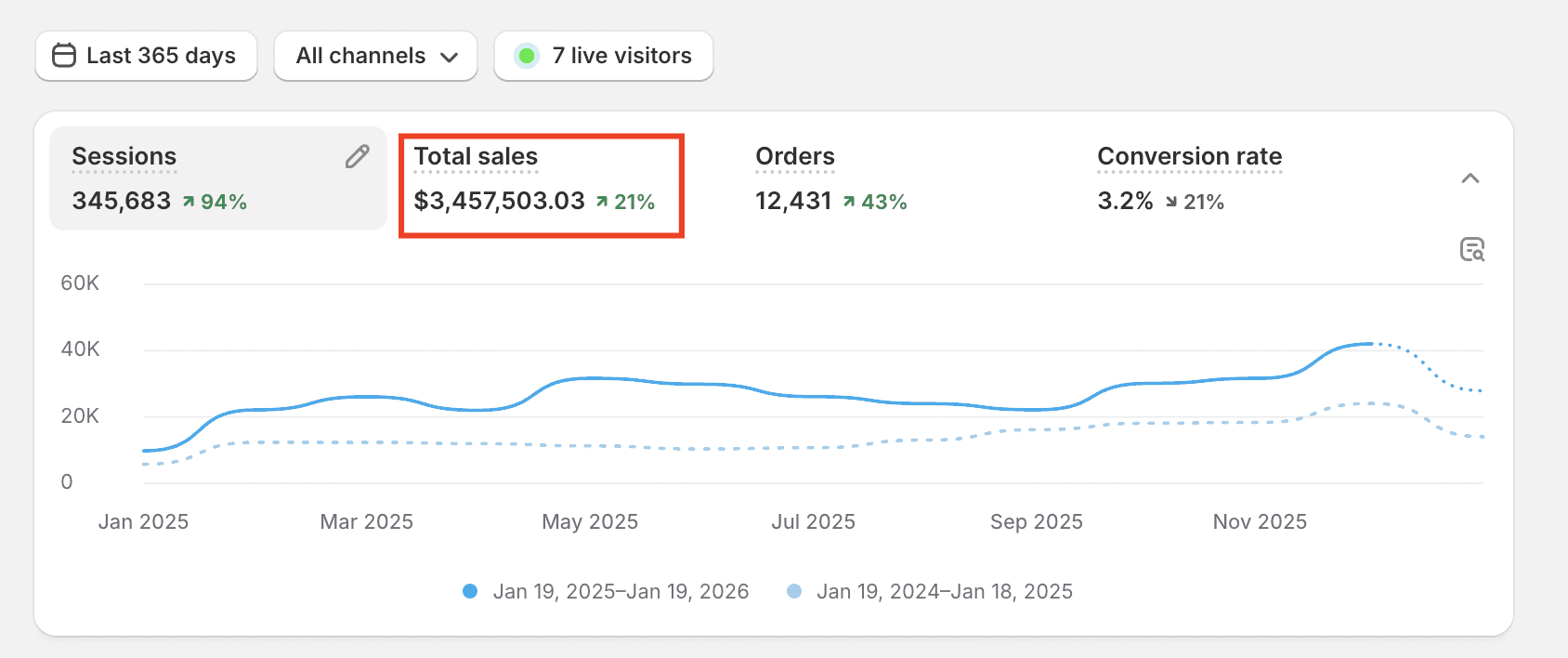
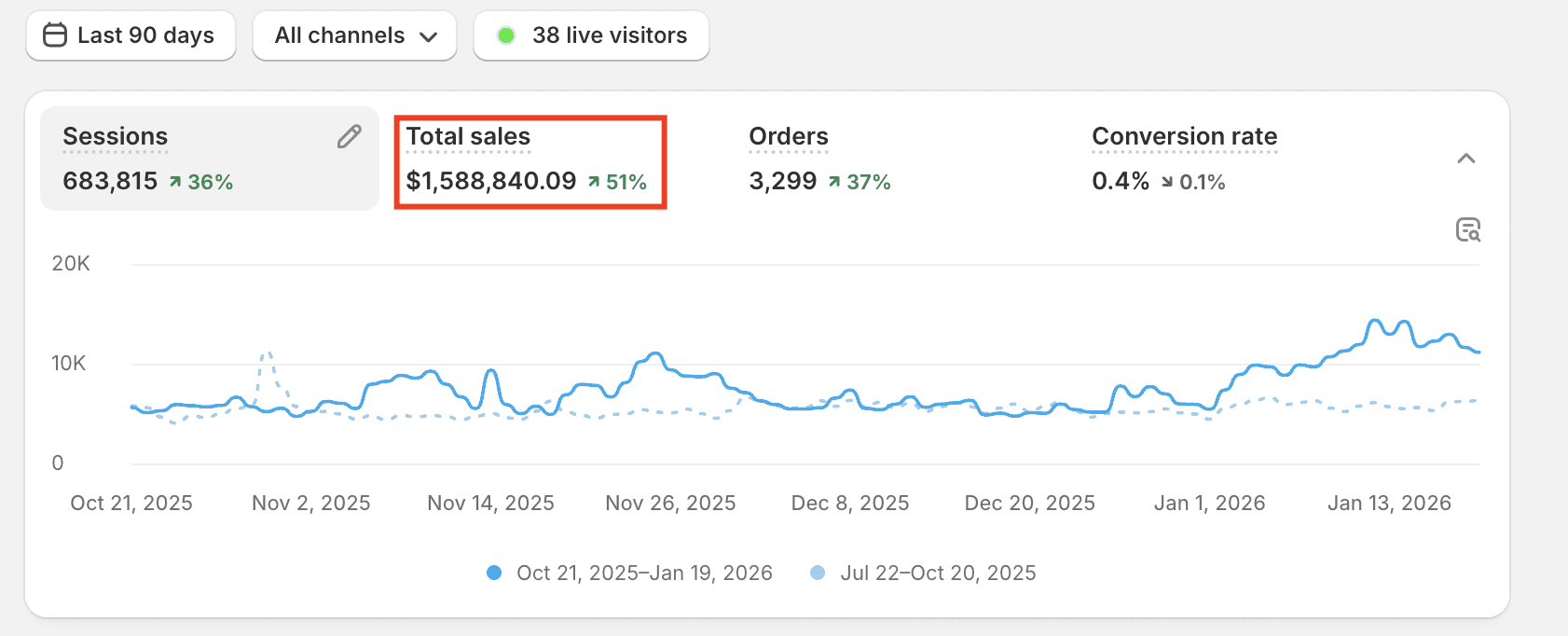
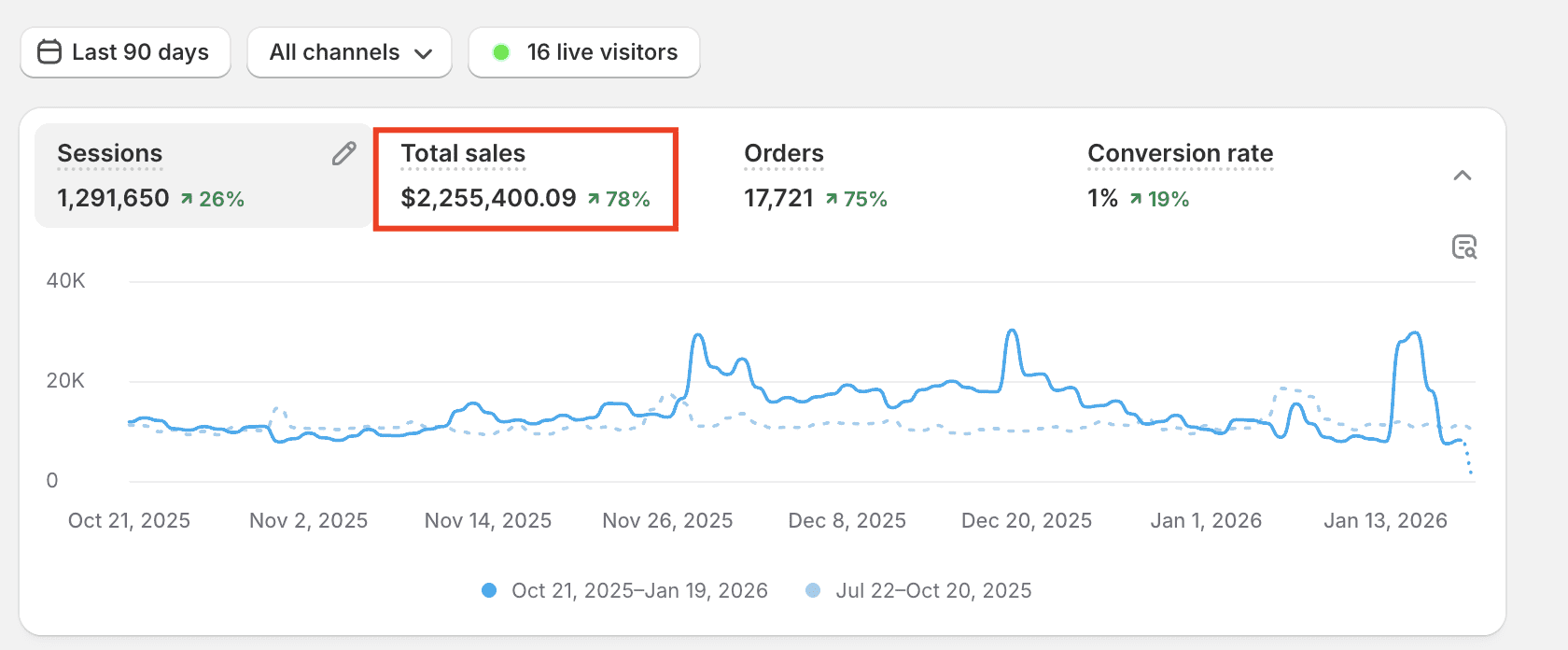
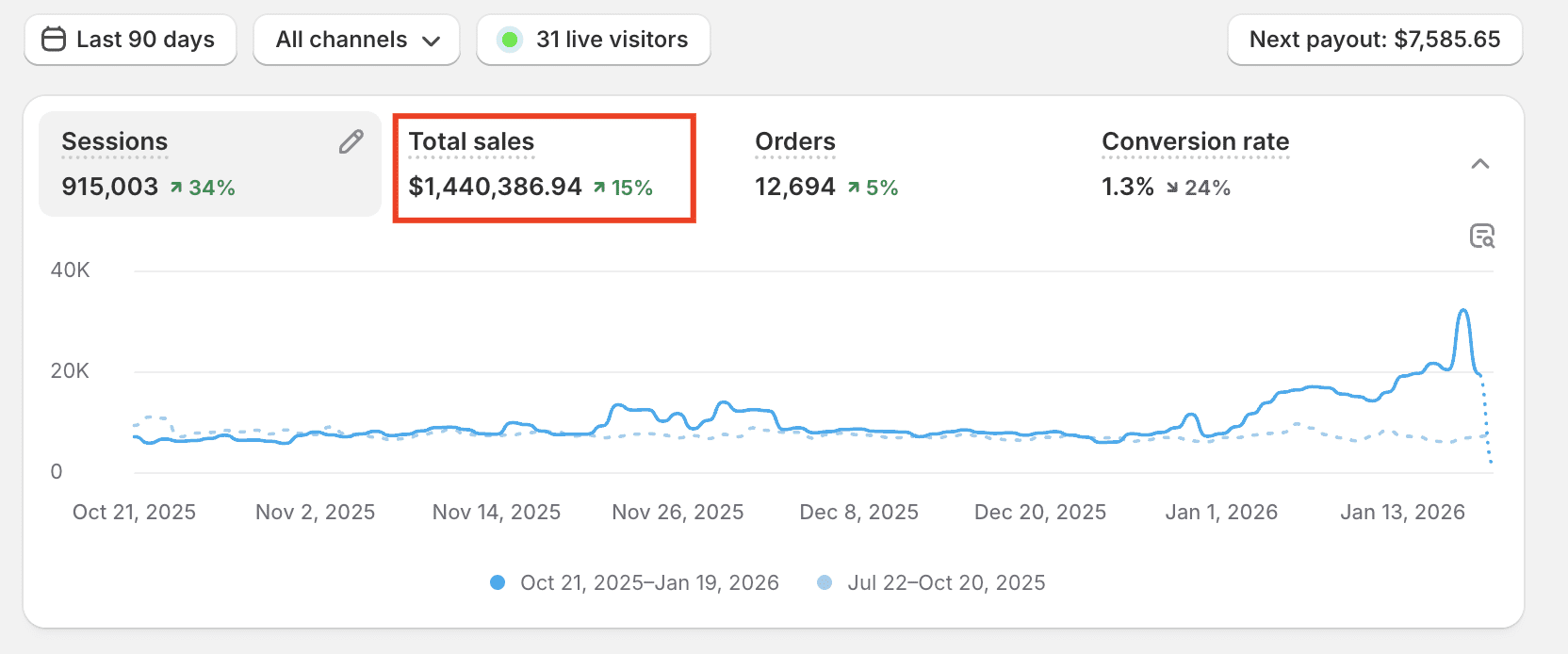
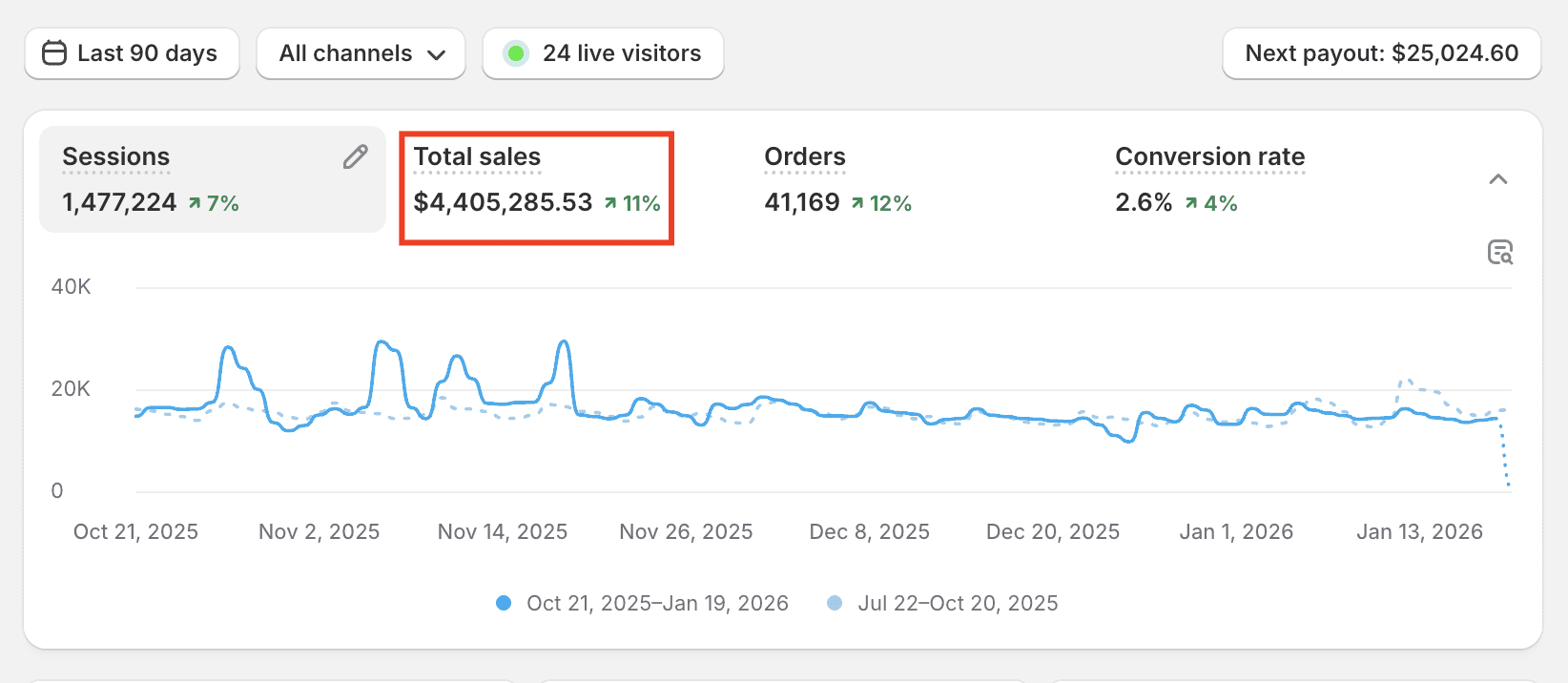
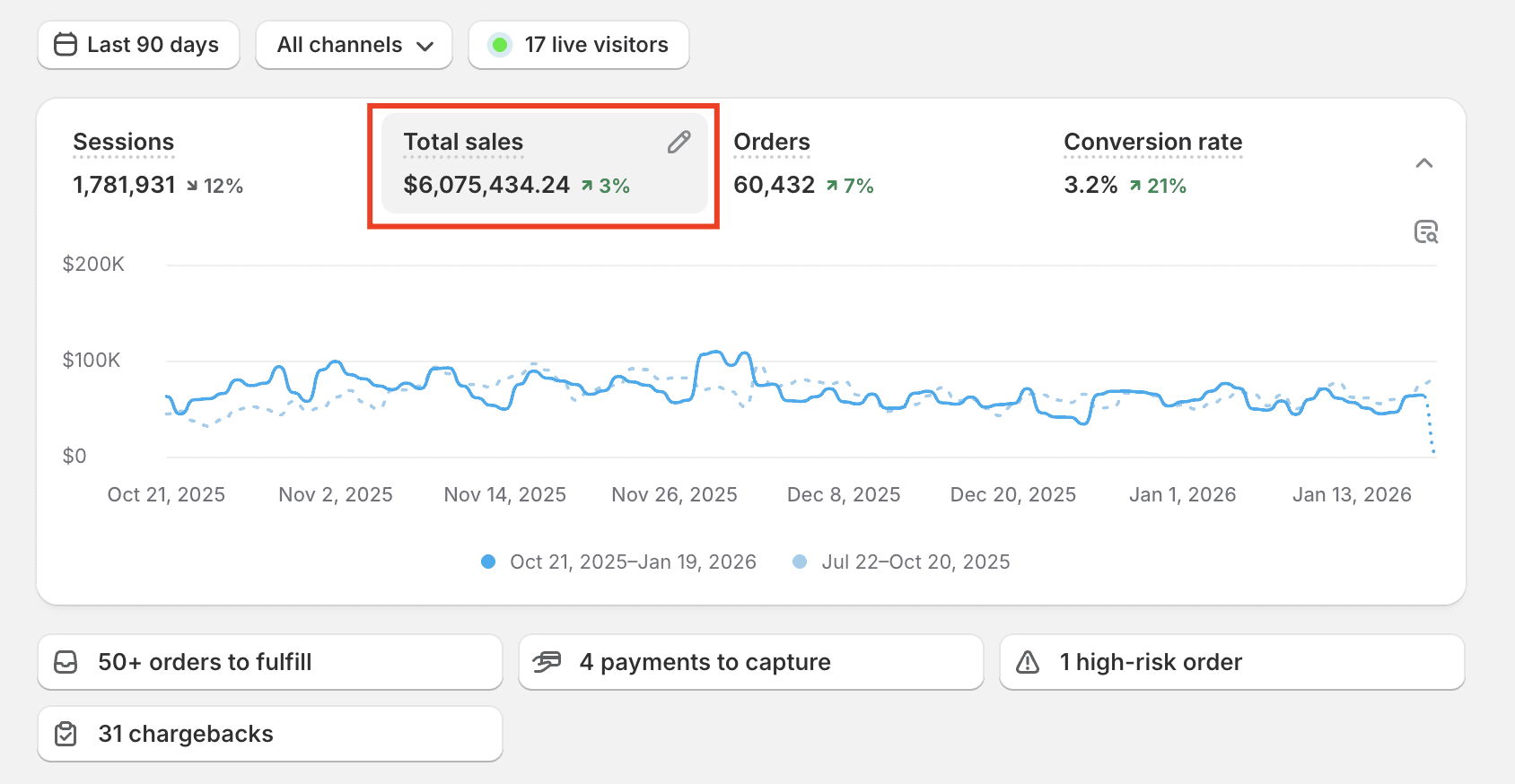
In today’s competitive digital marketplace, strong ecommerce SEO is essential for driving sustainable growth. Magento, now officially known as Adobe Commerce, is one of the most powerful and scalable platforms designed to help online stores achieve higher rankings on search engine results pages and improve long-term organic search visibility.
Trusted by global brands such as Bulgari, Omega Watches, Land Rover, and Christian Louboutin, Magento offers enterprise-grade flexibility, advanced customization, and performance-focused architecture. SEO professionals worldwide frequently recommend Magento SEO for businesses that want to scale efficiently while maintaining search engine compliance and visibility.
Let’s explore how Magento helps businesses improve search rankings and dominate competitive SERPs.
What Makes Magento SEO-Friendly?
- Meta title and meta description configuration
- Canonical tag implementation
- Robots.txt file management
- Structured data and rich snippet support
- XML sitemap generation
- Image alt text optimization
- URL rewrites and 301 redirects
- Product and category URL suffix customization
- Page title prefix and suffix management
These features create a strong technical foundation for maximizing organic search visibility and improving crawl efficiency.
Why Businesses Choose Magento for Ecommerce SEO
SEO-Optimized Architecture
Magento supports clean URLs, mobile responsiveness, fast-loading themes, customizable metadata, and cross-browser compatibility — all of which directly influence search engine results pages rankings.Developers can also implement advanced SEO enhancements such as schema markup, structured data, and performance optimization modules to further strengthen Magento SEO performance.Flexible Content Management
Magento’s built-in WYSIWYG editor allows businesses to easily update landing pages, blog content, product descriptions, and category pages.This flexibility makes it easier to:- Publish keyword-optimized content
- Improve on-page SEO
- Create promotional landing pages
- Update metadata without technical complexity
Advanced Analytics and Reporting
Magento provides detailed reporting dashboards that track:- Customer behavior
- Product performance
- Conversion trends
- Order data
- Traffic insights
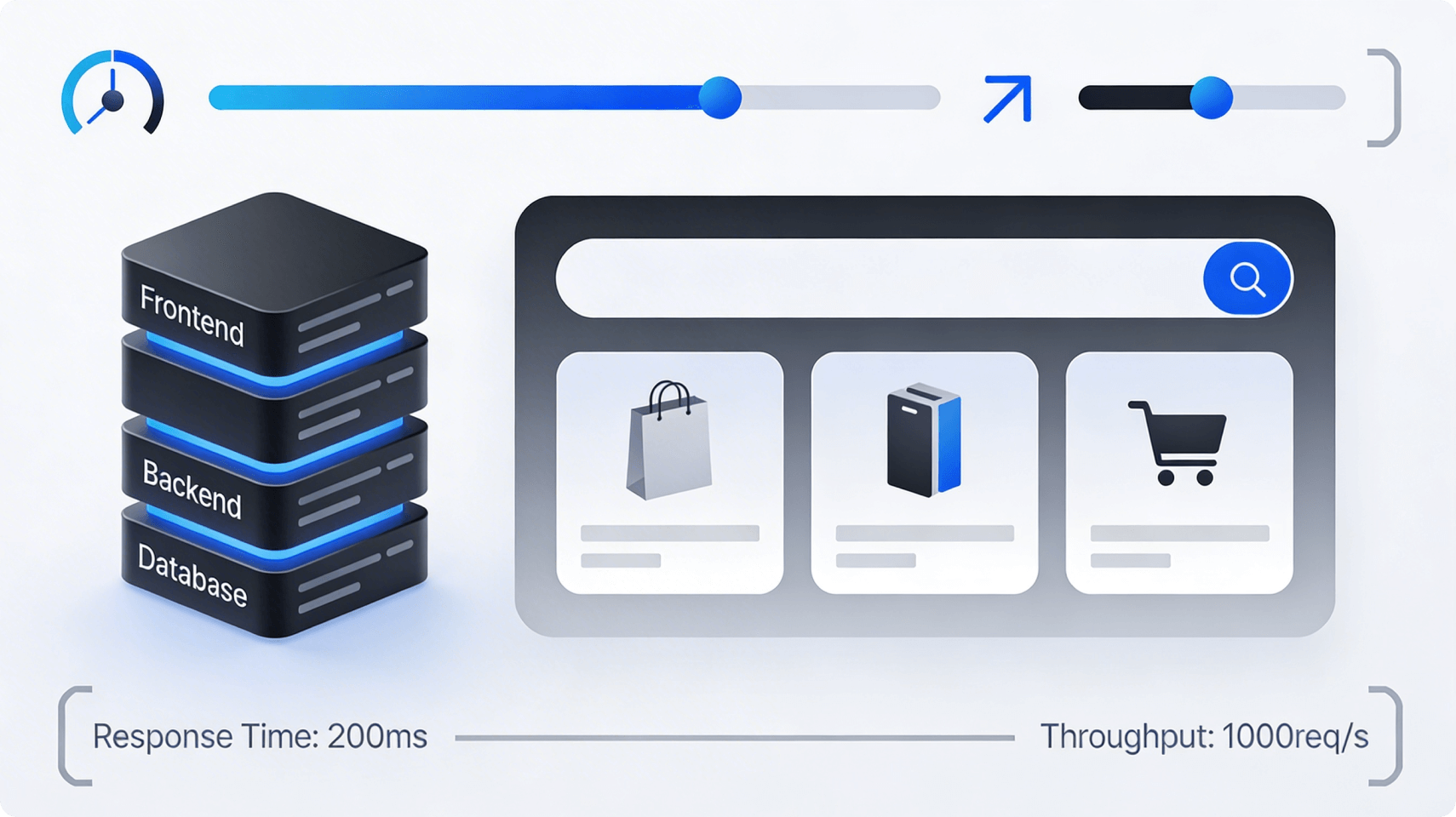
Optimized Performance and Site Speed
Website speed is a confirmed Google ranking factor. Magento supports:- Full-page caching
- CDN integration
- Optimized indexing
- Server-side performance configurations
How to Improve Magento SEO Performance
Optimize Product and Website Images
Image optimization improves both speed and search discoverability.Best practices include:- Using descriptive file names
- Adding keyword-focused alt attributes
- Compressing images without quality loss
- Implementing lazy loading
Simplify URL Structures
Clean URLs improve usability and indexing efficiency.Avoid long dynamic URLs with unnecessary parameters. Instead, use structured, keyword-rich URLs.Example:
❌ /product?id=12345
✅ /mens-running-shoes/nike-air-max
This structure improves crawlability and enhances Magento SEO effectiveness.
Conduct Ongoing Keyword Research
Keyword research is the backbone of successful ecommerce SEO.Magento store owners should:- Target transactional and informational keywords
- Analyze competitor rankings
- Update keyword strategies quarterly
- Optimize product and category pages regularly
Control Indexing and Crawl Budget
Not all pages should be indexed. Pages such as checkout, cart, login, and account dashboards should use no-index or no-follow rules.This helps:- Prevent crawl budget waste
- Avoid duplicate content
- Maintain a clean site architecture
- Improve indexing efficiency
Use Google SEO Tools
Leverage Google’s free tools to monitor performance:Google Analytics Tracks traffic sources, user engagement, and conversion behavior.Google Search Console Monitors indexing issues, crawl errors, keyword performance, and Core Web Vitals.Together, these tools provide actionable insights for improving Magento SEO strategies.
Should You Hire Magento SEO Professionals?
- Improve site architecture
- Optimize product catalogs
- Resolve technical SEO errors
- Scale organic traffic
- Increase conversion rates
- Strengthen SERP positioning