How to Track ROI on Digital Marketing Campaigns: The Ultimate Guide to Making Every Dollar Work

Let’s get real for a second. Digital marketing often feels like a game of chance - you're spending money and hoping for the best. But here's the truth: if you’re not tracking ROI, you’re basically flushing money down the drain. The key to understanding whether your campaigns are working is by measuring your return on investment (ROI). Without it, you’re flying blind, hoping your efforts lead to growth without knowing what’s truly working.

Tracking ROI is not just a good practice; it’s essential for businesses aiming to maximize their marketing budget and scale sustainably. ROI gives you the power to make data-driven decisions that improve your marketing strategies and enhance profitability. By measuring the effectiveness of your campaigns, you can fine-tune your approach, invest in high-performing channels, and ultimately make every dollar count.

In this guide, we’ll break down what ROI really means, how to calculate it accurately, and the tools and strategies to track it efficiently. If you want to turn your marketing dollars into measurable results, keep reading because tracking ROI is how you make your budget work harder and smarter.

What is Digital Marketing ROI? Why Should You Care?

Think of Digital Marketing ROI as your marketing scoreboard. It’s the metric that tells you whether your money is making you more money or just burning up. Without tracking ROI, you’re essentially flying blind. Here’s a quick look at why you should care:

 
  • Measure Success:ROI lets you track exactly how well your marketing campaigns are doing and whether they’re worth the investment.
  • Smart Budgeting: If you’re spending money, you want to ensure it’s going toward what works. Tracking ROI helps direct your marketing dollars to the channels that bring real results.
  • Refinement and Scaling: Knowing your ROI lets you make informed decisions on where to tweak and scale campaigns.

The formula for calculating ROI is simple:

Marketing ROI (%) = (Revenue from Marketing – Marketing Cost) / Marketing Cost × 100

If you're not measuring ROI, you're flying blind, and that’s not how successful businesses operate.

Why Tracking ROI is a Game-Changer

Here’s the kicker: If you’re not tracking ROI, you might as well be setting your marketing budget on fire. But when you do track ROI, you get to:

  • Stop wasting money on channels that don’t actually work.
  • Refine your marketing strategy and put resources into what’s working.
  • Align your teams' marketing and sales to crush the same goal and drive results together.
When you track ROI, your marketing shifts from being a guessing game to a growth engine. You’ll stop wasting time and start driving real revenue.

The Simple Formula You Need to Know (It’s Not Hard, We Promise)

Calculating ROI is simple. Use this formula to measure your marketing success:

  • Marketing ROI Formula: Marketing ROI (%) = (Revenue from Marketing – Marketing Cost) / Marketing Cost × 100
  • Example: If you spent $10,000 on ads and made $40,000 in revenue, your ROI is: ROI = ($40,000 – $10,000) / $10,000 = 300%
For long-term impact, use the LTV ROI Formula:
  • LTV ROI Formula: LTV ROI = (Customer Lifetime Value × New Customers – Marketing Cost) / Marketing Cost × 100

Key Metrics You Need to Track (Spoiler: ROI Ain’t the Only One)

ROI is crucial, but it’s not the whole story. Here are other key metrics you need to track alongside ROI for a more complete picture:
  • Customer Acquisition Cost (CAC): How much does it cost to acquire a new customer? This helps measure the efficiency of your acquisition strategies.
  • Customer Lifetime Value (LTV): How much revenue does a customer bring in over time? LTV is crucial for understanding the long-term value of your customers.
  • Return on Ad Spend (ROAS): How much revenue do you get for every dollar spent on ads? This metric helps you gauge the direct effectiveness of your ads.
  • Marketing Efficiency Ratio (MER):Total revenue divided by total marketing spend. This tells you how efficiently your marketing dollars are working.
  • Payback Period: How long does it take for a new customer to cover the cost of acquiring them? The quicker the payback, the better.
These metrics provide valuable insight and help you make smarter, more data-driven decisions.

Why ROI Can Be Difficult to Measure And How to Improve Accuracy?

Let’s face it: measuring ROI can get messy, especially if your data is all over the place. Here’s why things might go wrong:
  • Last-click attribution can mess with how you value your channels.
  • Inconsistent UTM trackingleads to gaps in your data, making it harder to track performance.
  • Platform-reported datadoesn’t always tell the whole story, which can distort your ROI calculations.
  • Not integrating CRM and analyticscan leave you with fragmented data and incomplete insights.
To clean it up:
  • Ensure consistent tracking across all channels.
  • Use accurate UTM parameters and make sure all your campaigns are tagged properly.
  • Integrate your CRM and analytics systems so that you get a unified view of your data./li>
Clean data = clean decisions. And that’s the key to getting accurate ROI measurements.

How to Track ROI Across Multiple Channels (Spoiler: It’s Easier Than You Think)

Tracking ROI across multiple channels doesn’t have to be a headache. Just follow these simple steps:

  1. Set Clear Goals: What are you tracking? Revenue, leads, conversions, be specific about what you want to achieve.
  2. Use Consistent Tracking: Apply UTM parameters to every campaign, set up conversion events, and sync your CRM for unified data.
  3. Compare Spend to Performance: Track spend, revenue, CAC, LTV, and ROAS across all your channels to understand what’s working best.
  4. Review the Customer Journey: Look at how each touchpoint in the customer journey works together to drive that final sale.

By reviewing the entire customer journey, you’ll gain insights into how channels interact with one another and influence conversions.

Top Tools You Need for Tracking ROI?

To track ROI like a pro, you need the right tools in your arsenal. Here are the must-have tools for optimizing your tracking strategy:
  • Google Analytics: For tracking website and overall campaign performance. It’s the backbone of your ROI tracking.
  • HubSpot or Salesforce: These CRM tools give you a complete view of customer interactions, conversions, and more.
  • Google Ads & Meta Ads Manager:< Perfect for tracking ad spend and performance across Google and Facebook platforms.
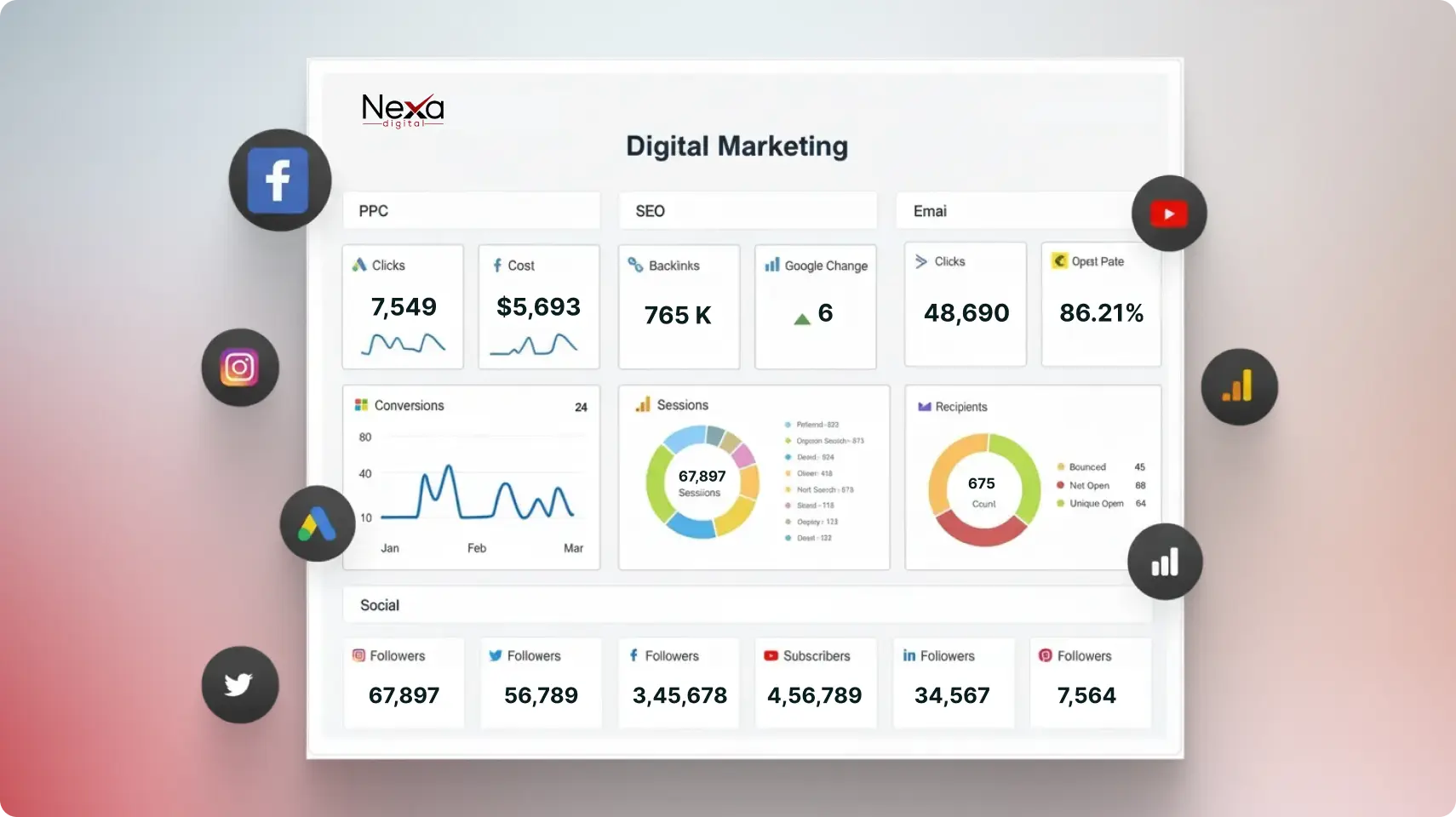
  • Looker Studio:Create custom dashboards that pull all your data together into one easily accessible space.
  • Attribution Tools:These tools help you track multi-channel customer journeys, ensuring you understand every touchpoint.
These tools will give you the insights you need to continuously optimize your campaigns and maximize ROI.

How to Boost Your Marketing ROI Without Burning a Hole in Your Wallet?

Now that you’re tracking ROI like a pro, let’s level up your efforts. Here’s how to make sure your marketing dollars work even harder:
  • Scale What Works:Invest more in the channels and strategies that are generating the best returns.
  • Optimize What’s Underperforming:Tweak targeting, messaging, and bidding strategies to improve results.
  • Retargeting = Big ROI:Retargeting ads are one of the most effective ways to bring in additional revenue.
  • Improve User Experience: Speed up your website, simplify forms, and refine messaging to increase conversions.
  • Focus on Retention: It’s cheaper to keep a customer than to find a new one. Keep loyal customers coming back for more.
By focusing on scalable strategies and continuous optimization, you can ensure long-term growth and higher ROI.

Drive Smarter Marketing Decisions with Magnet Growth

Tracking and optimizing ROI isn’t about chasing perfect numbers. It’s about understanding where the value is being created and doubling down on that. With the right tools, clear goals, and consistent tracking, you’ll know exactly where to spend your marketing budget and see sustained, long-term growth.


Now that you’ve got the formula, go ahead and start tracking your ROI like a pro. Ready to supercharge your marketing and boost your ROI even more? Partner with Magnet Growth and let us help you optimize your campaigns for better, more predictable results.